Compiled Oct. 18, 2026 from public sources only. Every statement below is attributed. Where sources disagree, both versions are given.
1. Short history summary
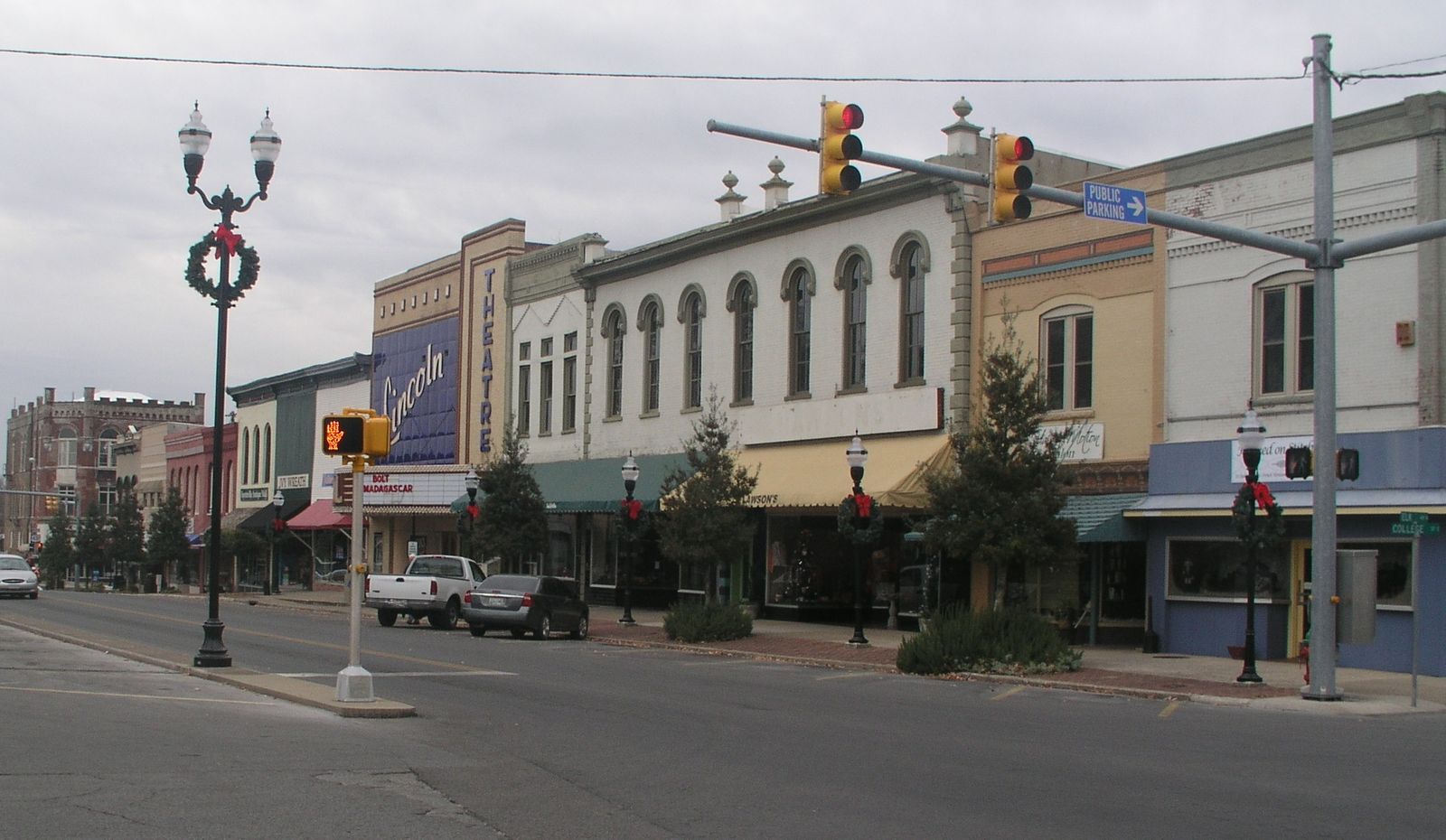
Land and founding. The land that became Lincoln County was Cherokee and Chickasaw territory until it was ceded to the United States in 1806, and settlers arrived almost at once. (Tennessee Encyclopedia – Lincoln County) The Tennessee General Assembly created the county in 1809 and named it for Revolutionary War general Benjamin Lincoln. Commissioners bought 100 acres from settler Ezekiel Norris near the Elk River for a county seat, and town lots were sold in 1810. (Tennessee Encyclopedia; TSLA fact sheet: formed 1809 from Bedford County, Acts of 1809 ch. 48) Fayetteville's founding act took effect January 1, 1810. The town was named for Fayetteville, North Carolina, where some early residents had lived; that town was named for the Marquis de Lafayette. (Wikipedia) The Chamber's 2025 data profile gives "Year Incorporated: 1819." (Chamber profile PDF)
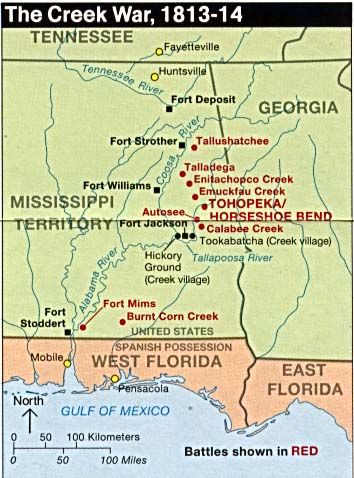
Camp Blount and the "Volunteer State." In late September 1813, more than 3,500 Tennessee volunteers answered the call for the Creek War, and most Middle Tennessee troops were ordered to gather at Fayetteville. Andrew Jackson arrived on October 7, 1813 to take command at the camp south of town, which was named for Governor Willie Blount. The site was used again in the Seminole Wars of 1818 and 1836 and probably by both armies in the Civil War. The DAR placed a marker in 1913. In the mid-1990s the muster ground was sold to Wal-Mart and became a shopping complex, and a new state marker went up in 1998. (Tennessee Encyclopedia – Camp Blount, Thomas Kanon) The City says this is where Tennessee "likely received its Volunteer State nickname." (City of Fayetteville; Camp Blount Historic Site Association)
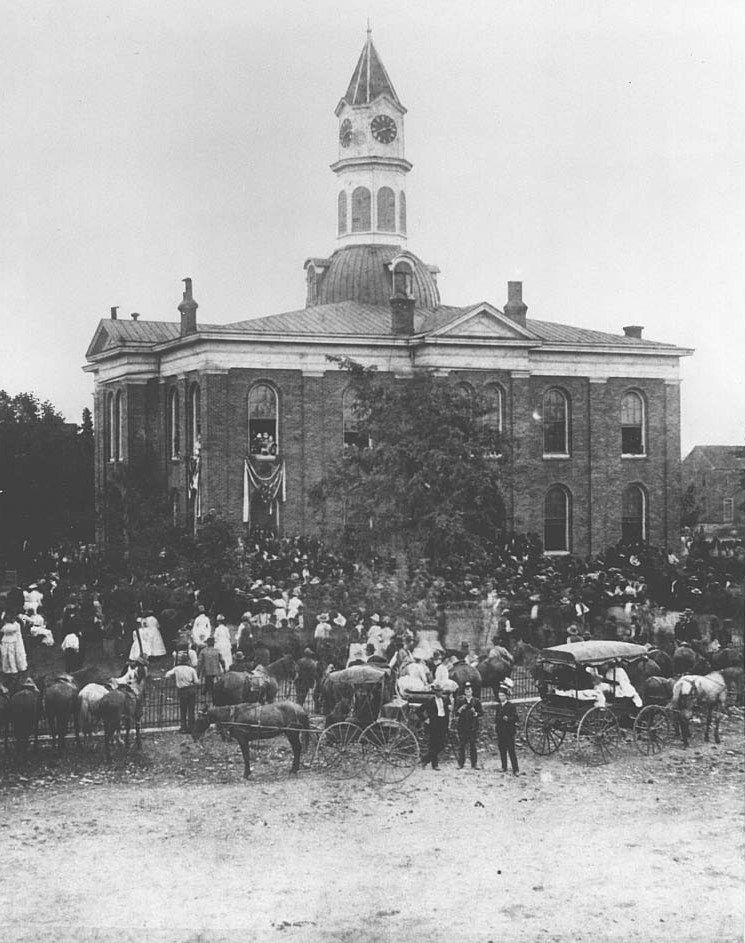
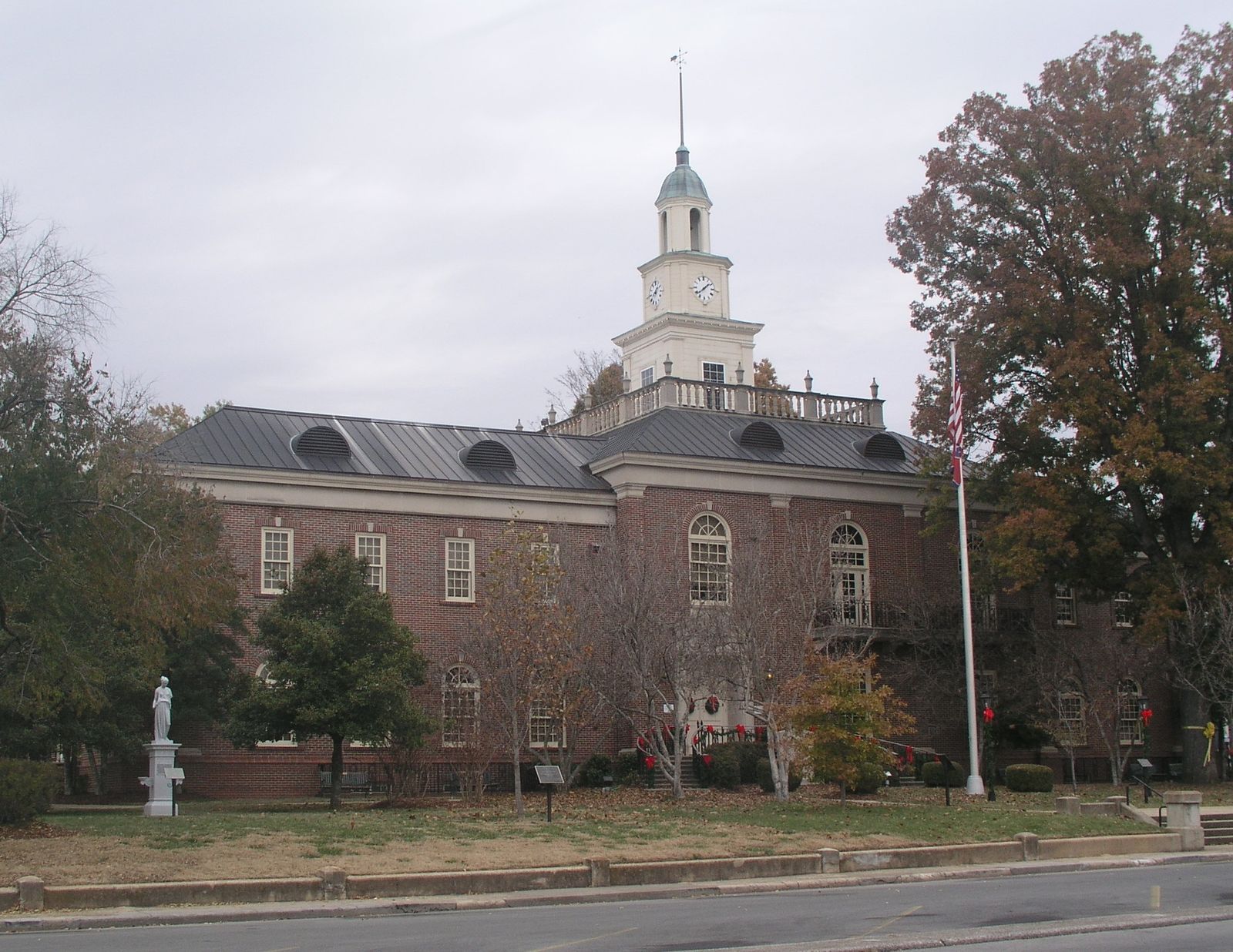
The courthouse. The first courthouse was built of logs: 1811 per the Tennessee Encyclopedia, 1815 per Wikipedia. The present Colonial Revival courthouse dates from 1970 and is the county's fourth. (Tennessee Encyclopedia; Wikipedia)
Civil War. Lincoln County was a Confederate stronghold. It furnished nearly 5,000 Confederate soldiers (the Tennessee Encyclopedia says 21 companies), and no Union companies were raised there. (Civil War Trails marker, HMDB; Tennessee Encyclopedia) Federal troops occupied Fayetteville in April 1862, withdrew two months later, and returned in spring 1863 to stay until the war ended. The walled courthouse served as a Union stable and temporary fort. (HMDB m82217) In November 1863, Gen. William T. Sherman's army crossed the Elk River on the six-arch limestone Stone Bridge. Sherman ordered the bridge destroyed, but the order was not carried out. (HMDB – Fayetteville Stone Bridge) The county records survived because citizens hid them. (Tennessee Encyclopedia)
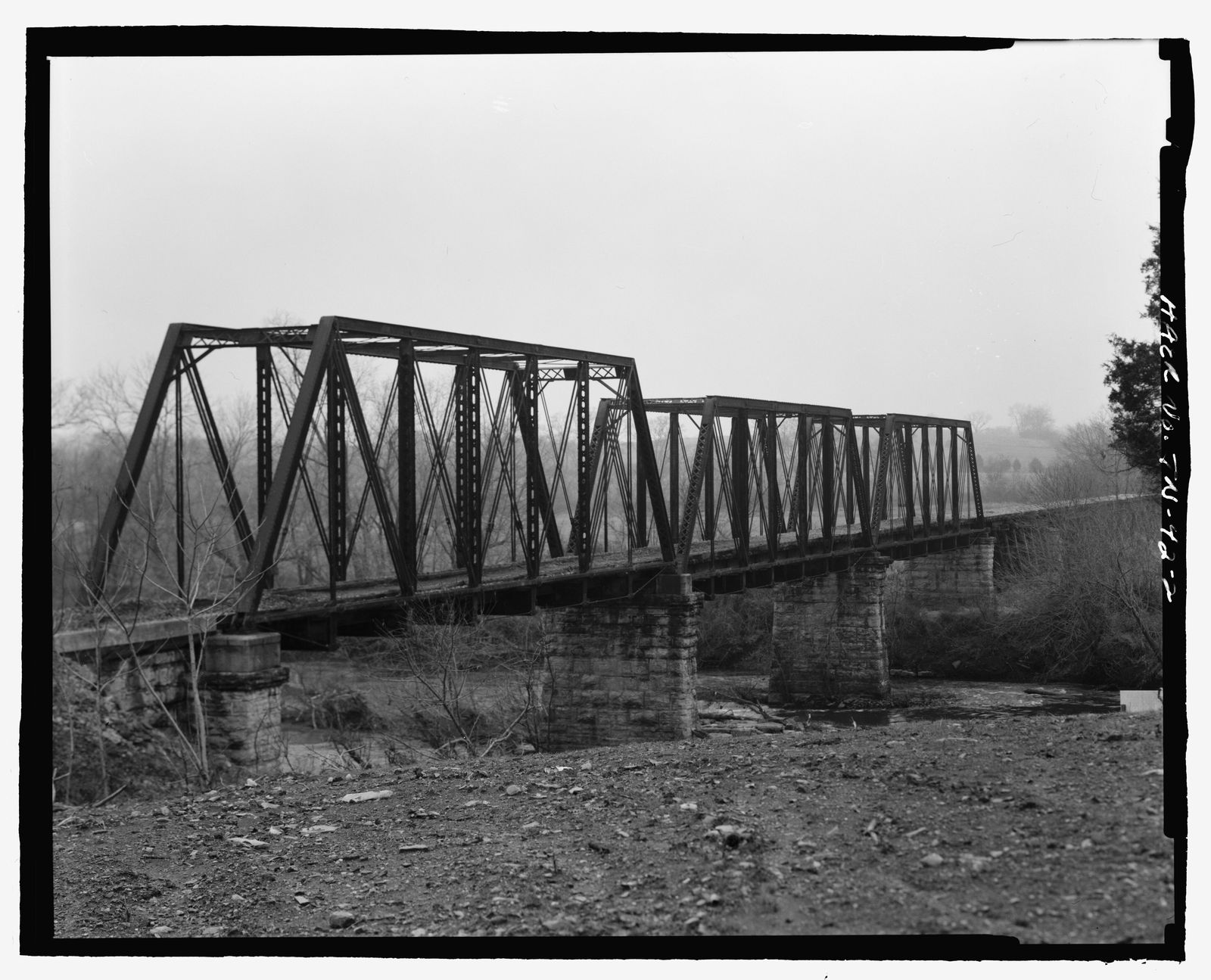
The Stone Bridge. The bridge was about 450 feet long and cost nearly $40,000. One marker says it was completed in 1861; another marker and Wikipedia say 1862. A flood destroyed it in 1969, and its stones were reused for the pedestrian bridge in Stone Bridge Memorial Park. (HMDB m82217; HMDB m152122; Wikipedia)
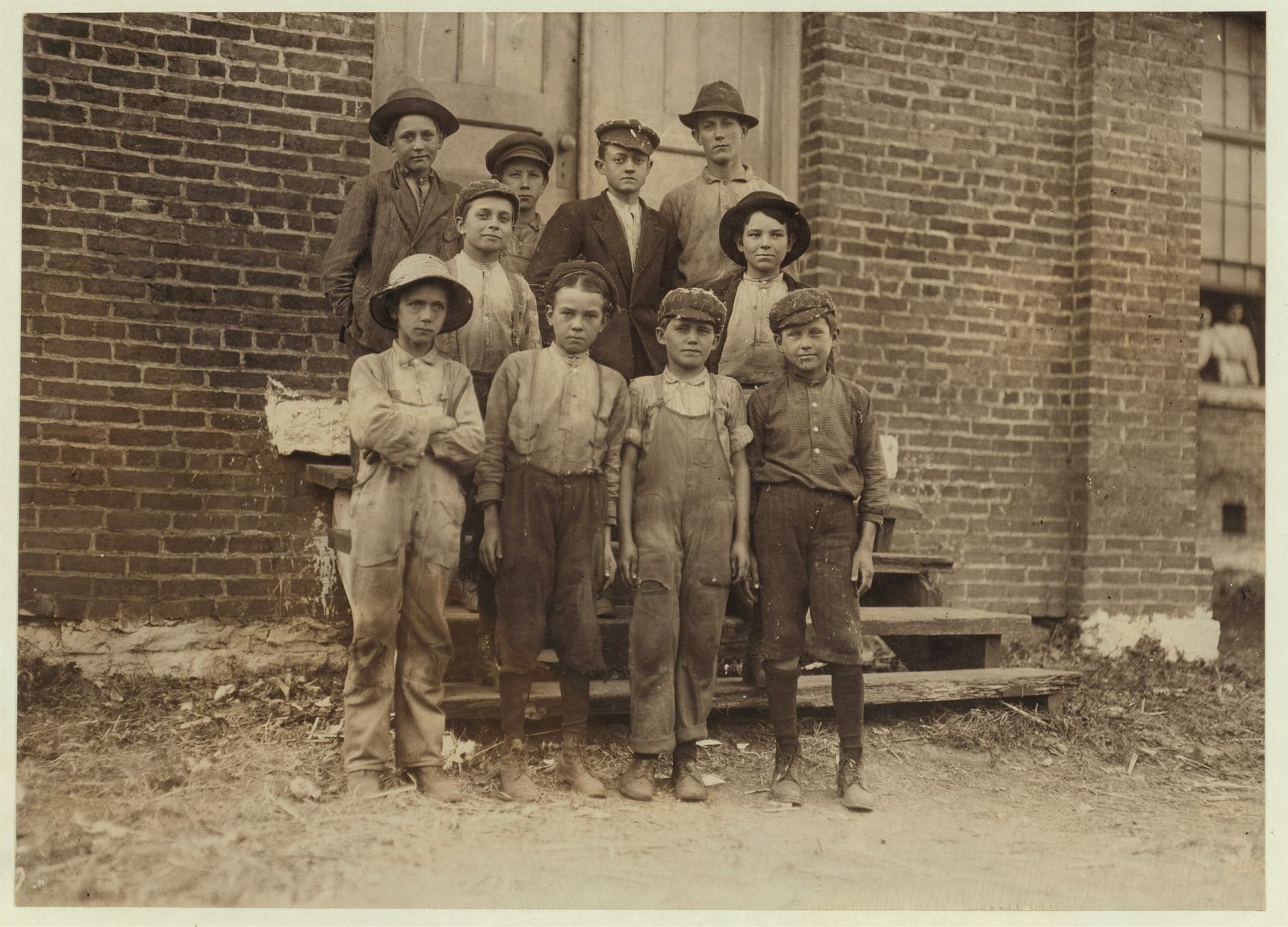
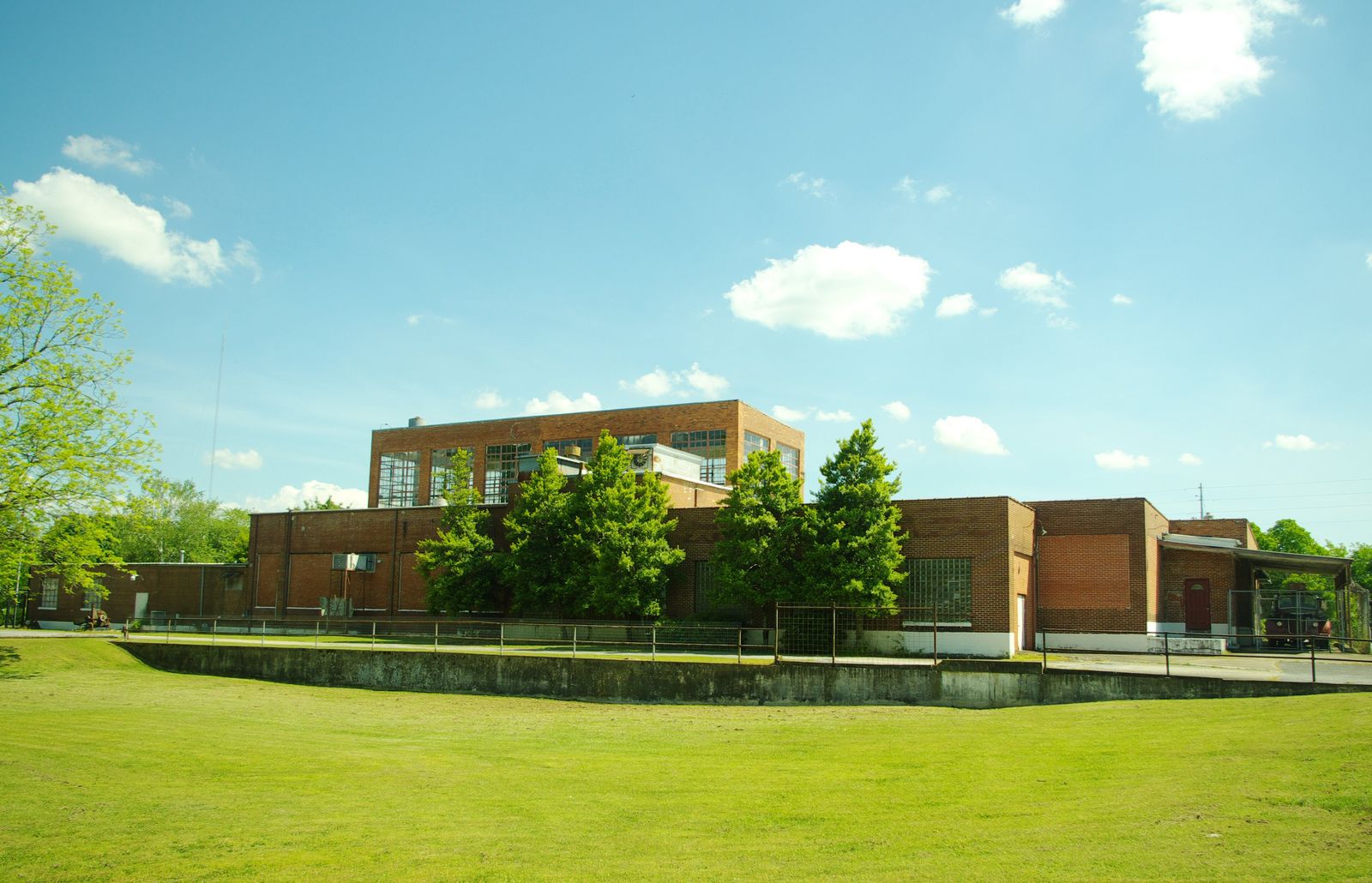
Water, mills, and industry. In 1899, the $37,000 Fayetteville Gravity Flow Water System began bringing spring water from Rainy Falls. (Tennessee Encyclopedia) Construction of the Elk Cotton Mills began in 1900, and the mill ran until 1997. Lewis Hine photographed child workers there in 1910; those images are now at the Library of Congress. (Tennessee Encyclopedia; LOC – "Young doffers in Elk Cotton Mills") The Borden Milk Plant opened in 1927 and is credited with carrying the county through the Depression. The plant is listed on the National Register and now houses the county museum. The museum gives the closing date as December 1967; the Tennessee Encyclopedia says 1962. (FLC Museum – About; Tennessee Encyclopedia) Fayetteville had electric power before TVA arrived in 1935. (Tennessee Encyclopedia)
Disasters and newspapers. An F4 tornado on February 29, 1952 killed two people and injured 150. Other damaging tornadoes struck in 1851, 1890, 1909, and 2023 (EF2). (Wikipedia, citing NWS/NOAA) The Fayetteville Observer was published weekly from December 17, 1850 to April 7, 1966, with suspensions during the Civil War. It then merged with the Elk Valley Times, which continues today as the town's weekly paper. (Library of Congress catalog record sn85033395; TSLA newspaper microfilm list)
2. National Register of Historic Places listings (Lincoln County)
Source: Wikipedia NRHP list for Lincoln County (18 listings, complete through NPS weekly list of Oct. 16, 2026). In Fayetteville or nearby:
- Borden Powdered Milk Plant, S. Main St. (1988; now the museum)
- Mulberry-Washington-Lincoln Historic District (1984)
- South Elk Street Historic District (1989)
- Hugh Bright Douglas House, 301 Elk Ave. N. (1982)
- McDonald-Bolner House, 400 S. Elk (1984)
- Mount Zion Missionary Baptist Church, 305 W. Maple St. (2000)
- St. Paul A.M.E. Church, 521 W. College St. (2003)
- Childress House, 2618 Pulaski Hwy. (1982)
- Isaac Conger House, 50 Hamestring Rd. (1973)
- Harms Mill Hydroelectric Station, SR 15 at the Elk River (1990)
- Toll Gate House, 118 Mimosa Rd., Fayetteville vicinity (listed May 11, 2026)
- Elsewhere in the county: Greer-Gill Farm and Petersburg Historic District (Petersburg); Harris-Holden House (Howell); Kelso Bowstring Arch Truss Bridge; Lincoln County Poor House Farm (Coldwater); Mimosa School; Whitaker-Motlow House (Mulberry).
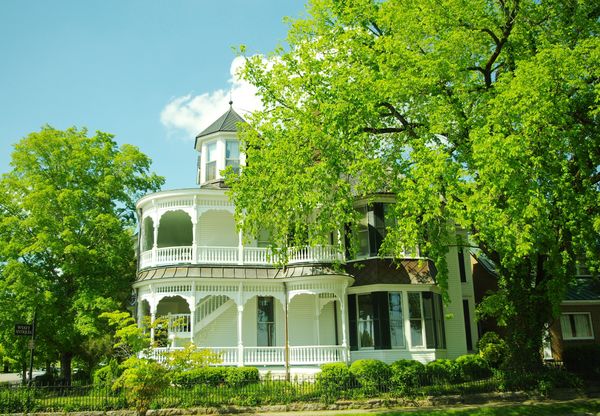
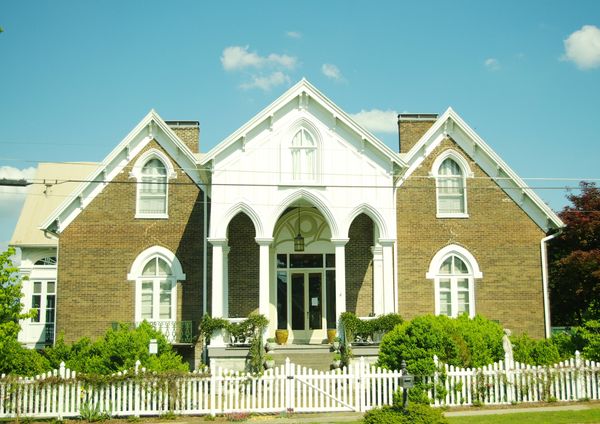
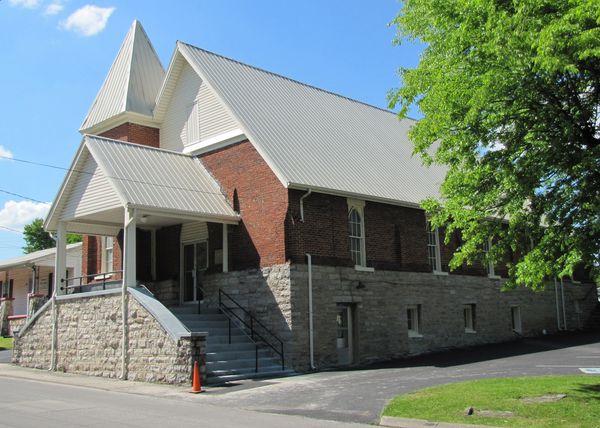
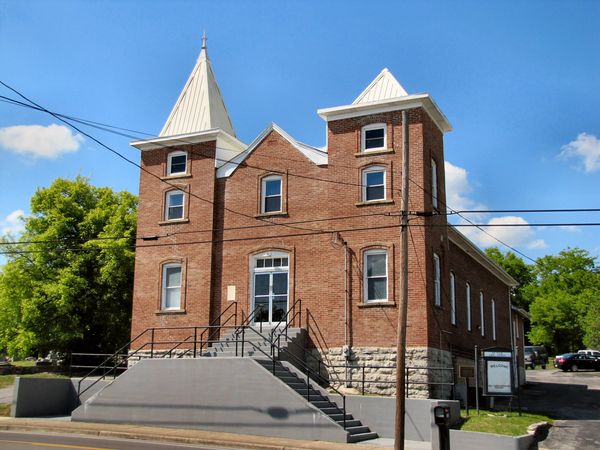
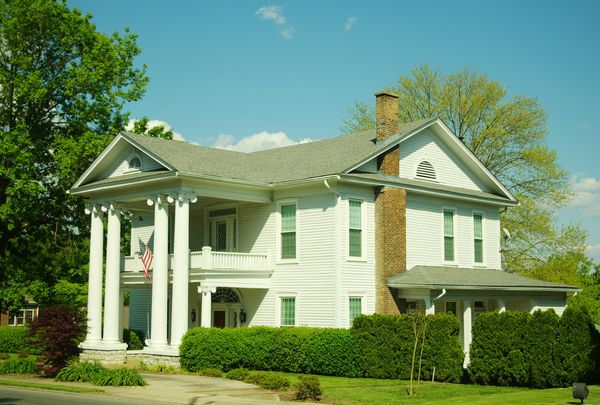
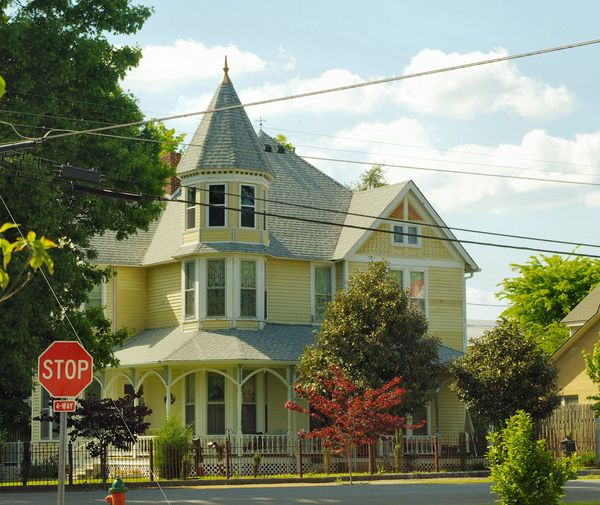
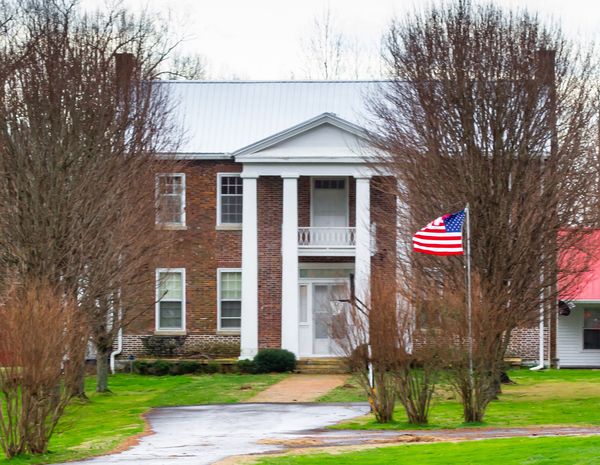
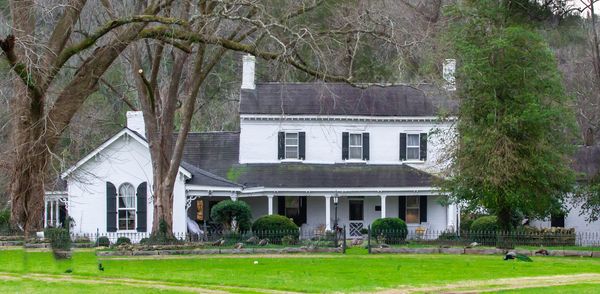
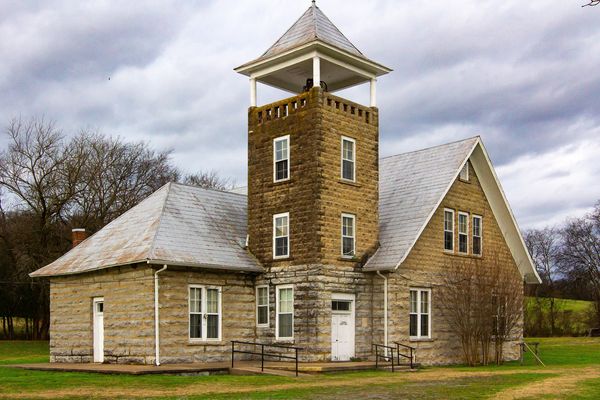
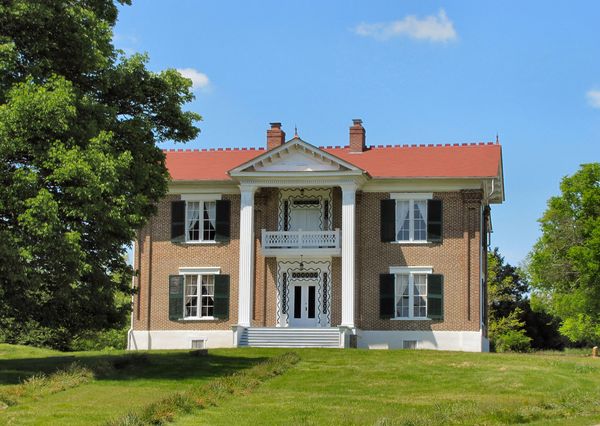
Not on the NRHP list: Camp Blount, the Elk River Stone Bridge (destroyed 1969), and the courthouse square as a district. The square sits near, but is not named among, the listed districts. Camp Blount is described as a state-recognized site by the Tennessee Historical Commission's state sites page and the Camp Blount association. Confirm the exact status with the Historical Commission.
3. Sources: where the history lives
| Source | URL | What it holds |
|---|---|---|
| Tennessee Encyclopedia – "Lincoln County" (Jack & June Towry) | https://tennesseeencyclopedia.net/entries/lincoln-county/ | Concise county history: settlement, 1809 founding, courthouses, gravity water system, Civil War, railroads, mills, Borden, TVA, agriculture |
| Tennessee Encyclopedia – "Camp Blount" and "Volunteer State" | https://tennesseeencyclopedia.net/entries/camp-blount/ ; https://tennesseeencyclopedia.net/entries/volunteer-state/ | Camp Blount muster of 1813 and origin of the state nickname |
| Camp Blount Historic Site Association | https://www.campblount.com/ | 40-acre site, trails, Volunteer statue, Greer cabin, events |
| Fayetteville-Lincoln County Museum (Borden Milk Plant) | https://www.flcmuseum.org/ (about, exhibits) | Artifacts, agricultural display (second largest in TN), military room, Stone Bridge and Camp Blount exhibits, Adm. Frank Kelso exhibit. Open May–Nov, Fri–Sat; (931) 297-2450 |
| Museum self-guided tour (STQRY) | https://stqry.app/projects/9867/tour/57095 | 14-stop tour outline of exhibits |
| Lincoln County Archives & Genealogy Dept. | https://www.lincolncountytn.gov/business_detail_T8_R57.php | Court records, deeds, vital statistics, family histories, censuses 1820–1900. 308 Market St. W; (931) 438-1579; open Mon/Tue/Thu/Fri 9–3 |
| Fayetteville-Lincoln County Public Library – Genealogy Room | https://www.flcpl.org/genealogy | Newspaper clippings, birth/death/marriage/cemetery records, family files, microfilm, maps; free Ancestry; FamilySearch center |
| Tennessee State Library & Archives (TSLA) – Lincoln County fact sheet | https://sos.tn.gov/tsla/pages/genealogical-fact-sheets-about-lincoln-county | Formation act, published county histories (Heritage of Lincoln County 2005; Dickey 1977; Lindquist 1994 pictorial; Bicentennial 2009), WPA court and church transcriptions, Lincoln County Black History Journal (St. Paul A.M.E., 1998–99), cemetery books |
| TSLA – Newspapers on microfilm | https://sos.tn.gov/library-archives/guides/newspapers-on-microfilm-at-the-library-archives | Fayetteville titles held on film: Village Messenger (1823–28), Western Cabinet (1829–30), Independent Yeoman (1833–38), Standard of the Union (1836–38), Lincoln Journal (1839–61), Fayetteville Observer (1850–1966), Union Herald (1861), Battery Reveille (1862), Lincoln County News (several runs, 1866–1976), Fayetteville Express (1873–87), Sun (1887–91), Fayetteville Democrat and Dispatch (1889–93), Elk Valley Times and successors (1966–present) |
| Library of Congress / Chronicling America – Fayetteville Observer (LCCN sn85033395) | https://www.loc.gov/item/sn85033395/ ; https://chroniclingamerica.loc.gov/lccn/sn85033395/ | 1,376 digitized issues, free and full-text searchable, mostly 1850–1889 (450 from the 1850s, 367 from the 1860s, 509 from the 1870s, 53 from the 1880s) |
| Library of Congress – Lewis Hine / National Child Labor Committee photos | https://www.loc.gov/resource/nclc.01898/ ; https://www.loc.gov/item/2018673892/ | Nov. 1910 photographs of child workers at Elk Cotton Mills |
| Elk Valley Times (current weekly) | https://www.elkvalleytimes.com/ | Current news. Its paper's office keeps back issues for about six months; older issues are on TSLA microfilm |
| Tennessee Civil War Trails markers (HMDB) | https://www.hmdb.org/m.asp?m=82217 ; https://www.hmdb.org/m.asp?m=152122 | Full marker texts: "Lincoln County in the Civil War" (courthouse) and "Fayetteville Stone Bridge" (Stone Bridge Park) |
| NRHP list for Lincoln County | https://en.wikipedia.org/wiki/National_Register_of_Historic_Places_listings_in_Lincoln_County,_Tennessee | 18 listed properties; nomination files are reachable through the NPS NRHP database by reference number |
| Lincoln County TNGenWeb | https://www.tngenweb.org/lincoln/research-aids/ | Volunteer transcriptions: Goodspeed biographies, Fayetteville Observer 1891 items, marriages 1895–1919, courthouse history, chronology, city directories, Confederate pension index |
| Wikipedia – Fayetteville, Tennessee | https://en.wikipedia.org/wiki/Fayetteville,_Tennessee | Overview: founding, name origin, tornadoes, Stone Bridge, courthouse, Camp Blount, fair, census history, notable people (cites Heritage of Lincoln County, Lindquist's pictorial history) |
| City of Fayetteville tourism pages | https://www.fayettevilletn.com/test_page/index.php ; https://www.fayettevilletn.com/test_page_3/index.php | Town story, Camp Blount/Volunteer claim, Slawburger, distilleries |
| Good News magazine article on the museum | https://goodnewsmags.com/fayetteville/discover-our-heritage-at-fayetteville-lincoln-county-museum/ | Borden plant history and estimate of about 80 one-room schools in the mid-1800s |
Lincoln County Historical Society: no active historical society website turned up in public search. The TSLA fact sheet lists a Lincoln County Genealogical Society (cemetery records, 2012) but gives no current contact. Ask the Archives or the Library for a current society contact.
Newspapers.com: a public index for the Elk Valley Times was not confirmed. The free LOC/Chronicling America run covers the Fayetteville Observer mainly through the 1880s. A Newspapers.com subscription search would need an account and was not attempted.
4. What's missing / needs an in-person archive visit
- Fayetteville Observer, 1890–1966. Only a handful of issues from those years are digitized at LOC. Use TSLA microfilm (Nashville) or the Library's Genealogy Room microfilm.
- Elk Valley Times, 1966–present. Not freely digitized. Microfilm is at TSLA; recent back issues are at the paper's office.
- City records (Board of Mayor & Aldermen minutes, the original 1810 town plat, the 1819 incorporation papers). This would settle the 1809/1810 founding versus 1819 incorporation question. Visit City Hall and the County Archives.
- Courthouse history and dates. Sources disagree on 1811 versus 1815 for the first log courthouse and give little detail on the 1874 Italianate building. Check Archives court minutes and the TSLA photo collection (an 1886 courthouse photo is credited to TSLA on the marker).
- Stone Bridge. Sources disagree on 1861 versus 1862 completion. Contractor records (Markum & Flannery) and photos are probably in museum and private collections.
- Borden plant closing date. Sources disagree on 1962 versus Dec. 1967. Check the NRHP nomination (ref. #88001060) and museum files.
- African American history. The Lincoln County Black History Journal (TSLA), St. Paul A.M.E. and Mount Zion Missionary Baptist NRHP nominations, and church records need in-person or interlibrary-loan review.
- Oral histories of mill workers (Elk Cotton Mills, 1900–1997), Borden employees, and 1952 tornado survivors. None are online; these need recorded interviews.
- Published county histories (Heritage of Lincoln County, 2005; Lindquist's Pictorial History, 1994; Dickey's A Tribute to our Past, 1977; Goodspeed, 1886). These are print-only at the Library, Archives, or TSLA.
- Photographs of downtown businesses over time. The museum, the Library's Genealogy Room, and private collections (e.g., the "Jim Davidson" collection credited on the Civil War marker) would have to be visited.