Compiled Oct. 18, 2026 from public sources only. Every statement below is attributed. Where sources disagree, both versions are given.
1. Short history summary
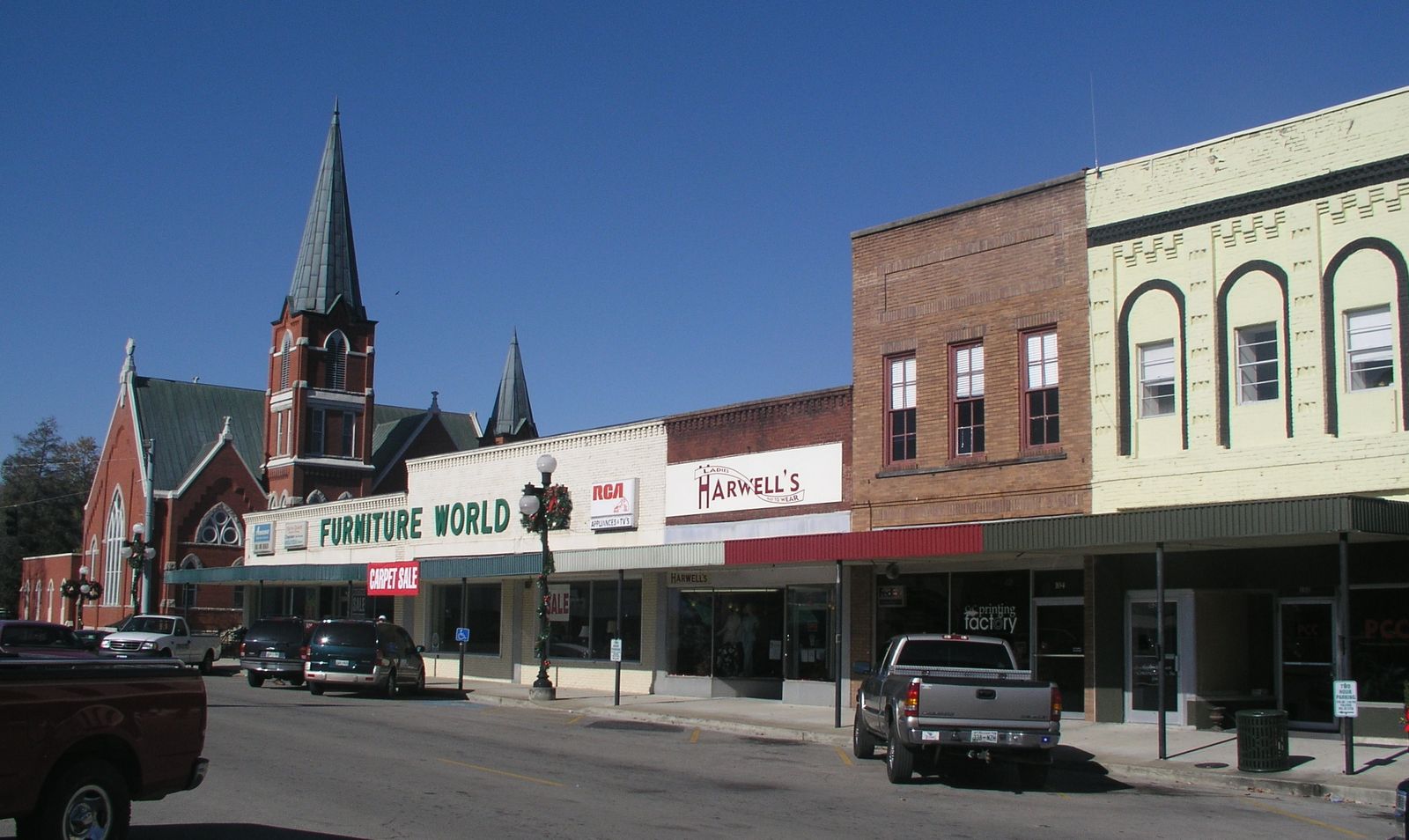
Land and founding. The Tennessee General Assembly created Giles County on November 14, 1809, from land once part of North Carolina. Andrew Jackson suggested the name to honor Congressman William Branch Giles, who had backed Tennessee's bid for statehood in 1796. Because Indian treaties were not yet final, settlers were not allowed onto the land until 1806. (Tennessee Encyclopedia – Giles County, Margaret Butler) The 1809 act told commissioners to find a site on Richland Creek "as near the centre of the county" as possible, buy at least 100 acres, lay off streets at least 80 feet wide around a public square of at least two acres, and name the town Pulaski. (TSLA – Giles County fact sheet, Acts of 1809 ch. 55) The town is named for Casimir Pulaski, the Polish-born general who fought for the Patriots in the Revolution. (Wikipedia)
Early settlements. Both Elkton and Prospect claim to be the county's first settlement. They were followed by Lynn Creek, Campbellsville, Pulaski, Bodenham, Crosswater, Aspen Hill and Blooming Grove. (Tennessee Encyclopedia)
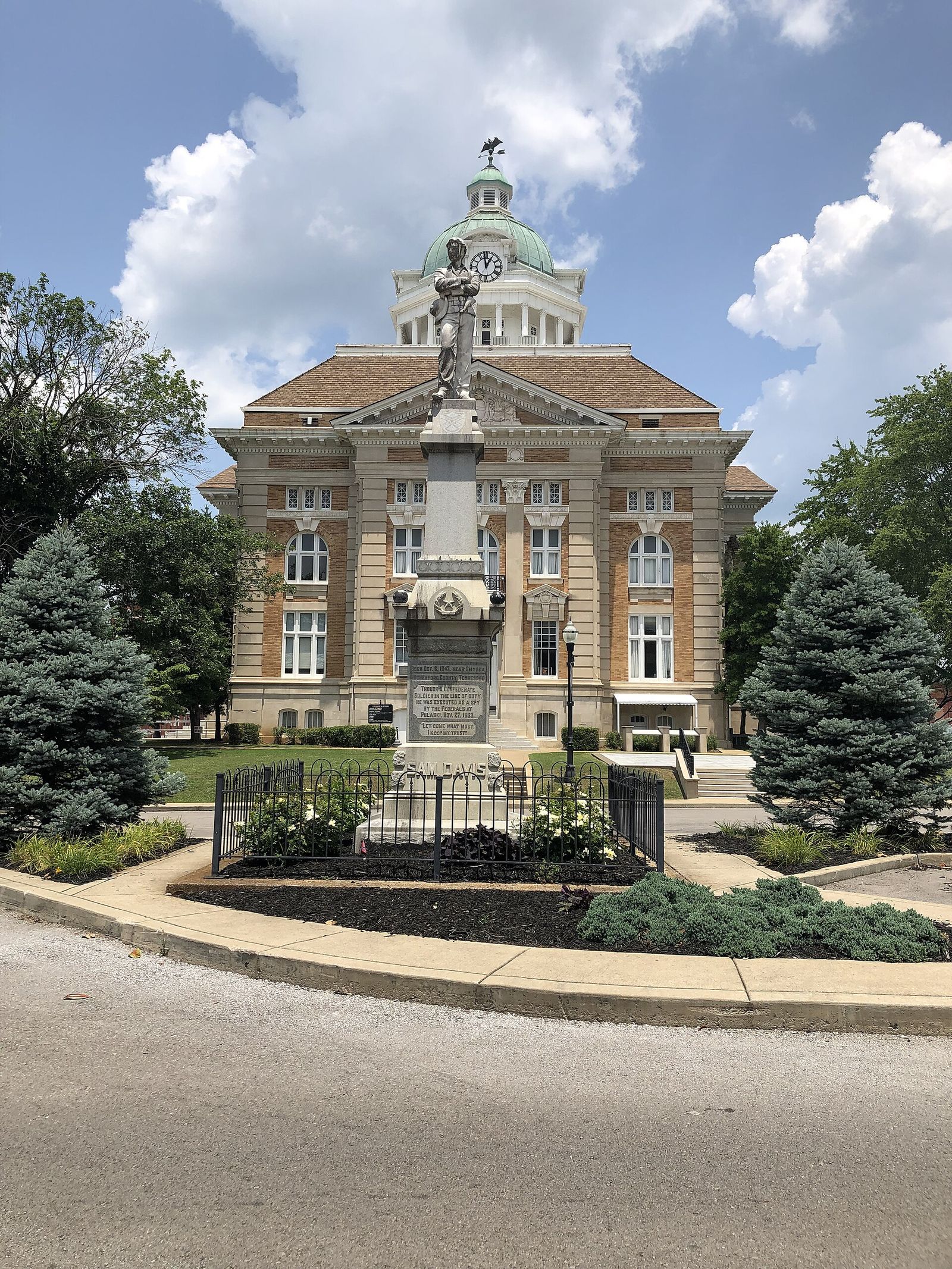
The courthouse. A courthouse went up on the square in 1811. (Tennessee Encyclopedia) The state archives record courthouse fires in 1813, 1857 and 1907. (TSLA fact sheet) The present neoclassical courthouse dates from 1909 and is on the National Register. Busts of three Giles Countians who served as governor (Aaron V. Brown, Neill S. Brown and John C. Brown) were placed in its foyer as a bicentennial project. (Tennessee Encyclopedia)
Civil War. Giles County sat on the Nashville and Decatur Railroad. No major battle was fought inside the county, but it fell to Federal troops after Fort Donelson (1862) and was occupied for several years. (Tennessee Encyclopedia) Thousands of enslaved people left nearby farms for Union lines, and the Army set up a contraband camp at Pulaski to house, feed and employ freedmen and their families; classes were started there. (Wikipedia, citing the Tennessee Encyclopedia – Contraband Camps) In 1863 Union Gen. Grenville Dodge was in command when Sam Davis, a 21-year-old Confederate scout, was executed at Pulaski as a spy. A statue of Davis stands on the south side of the square. (Tennessee Encyclopedia)
Reconstruction and the Klan. Pulaski is where the Ku Klux Klan was founded. Six Confederate veterans organized it in late 1865 (Wikipedia gives December 24, 1865), and it spread across the South as a secret society that used night-time violence and intimidation against freedmen and their white allies. (Tennessee Encyclopedia; Wikipedia) A race riot against Black residents took place in Pulaski in the winter of 1868 after a heated election season. (Wikipedia)
A town that said no. In the 1980s white-supremacist groups began holding marches in Pulaski. In October 1989, when the Aryan Nations came, more than 180 businesses (virtually every one in town) closed for the day, residents stayed home, churches kept teenagers busy, and the town hung orange ribbons as a sign of brotherhood. A group called Giles Countians United led the effort, and petitions with 4,000 signatures were mailed to the group's headquarters. "We think brotherhood is better than prejudice," one organizer said. (UPI, Oct. 7, 1989; UPI, Aug. 8, 1989; Los Angeles Times) The Tennessee Encyclopedia notes that recent attempts to stage Klan events in Pulaski "have met stiff resistance from the community." (Tennessee Encyclopedia)
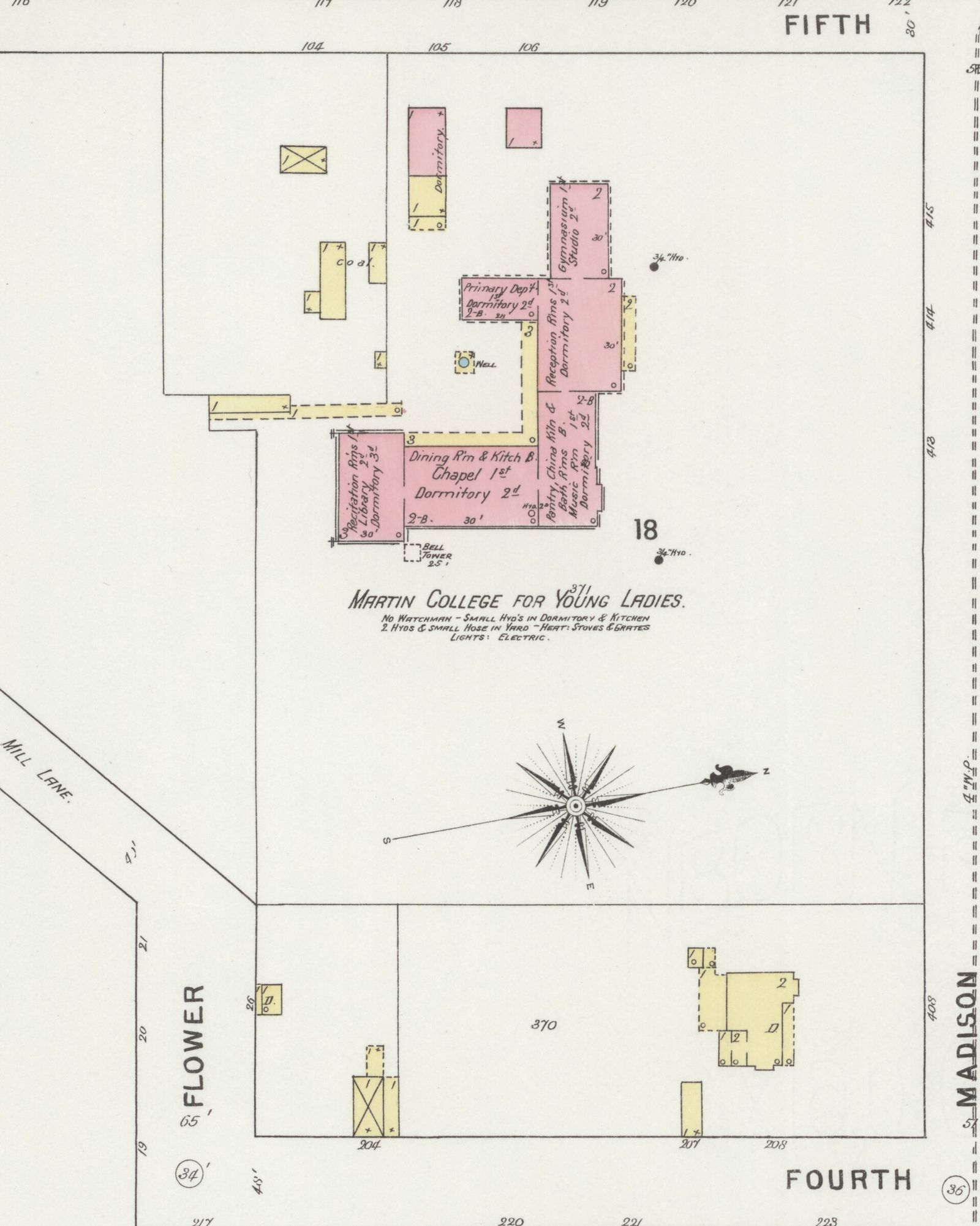
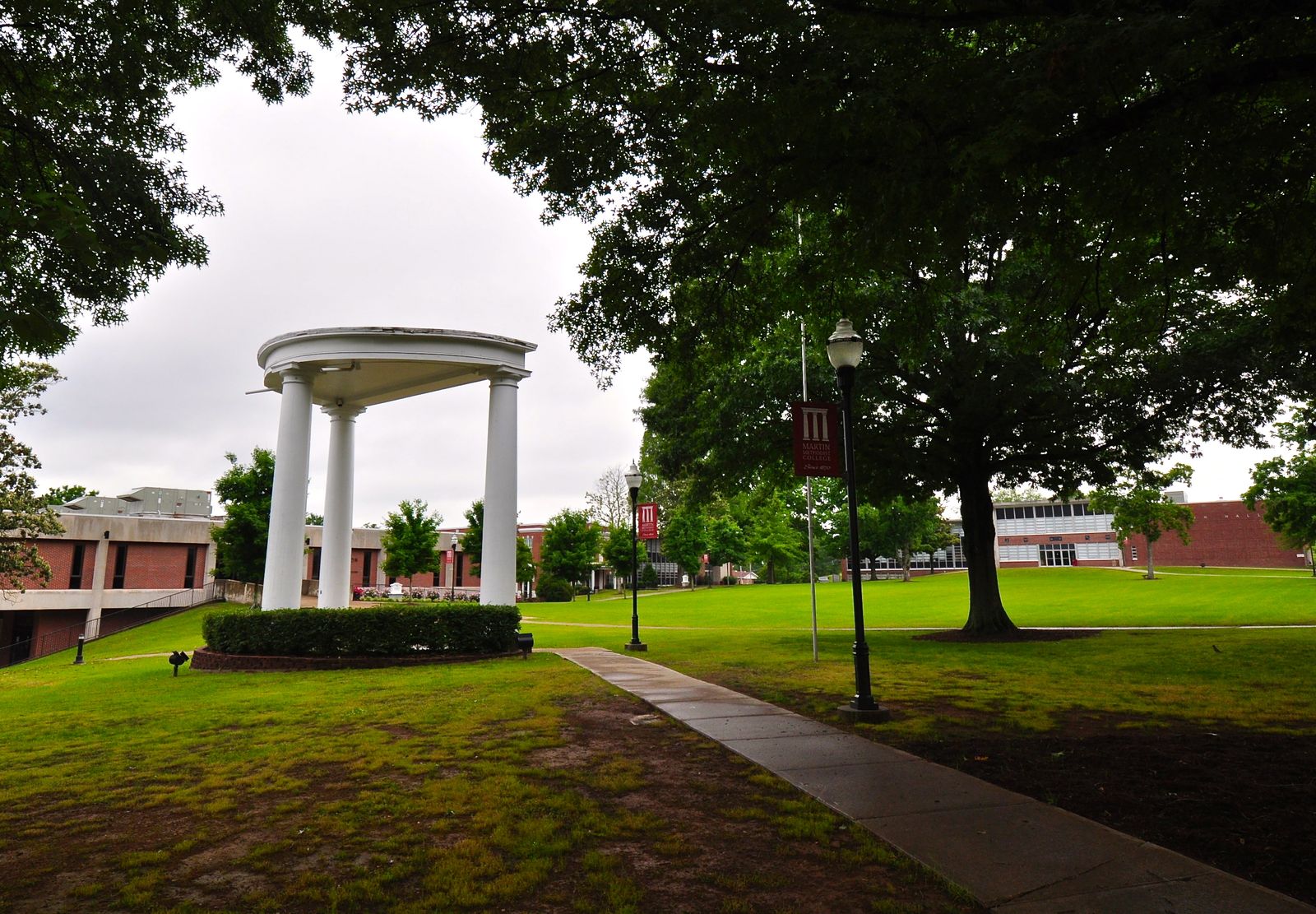
Schools and colleges. Pulaski Academy (later Wurtenburg Academy, then Giles College) was chartered when the county was organized. (Tennessee Encyclopedia) Martin College was a gift from Thomas Martin in honor of his daughter Victoria, an advocate for women's education; an 1895 Sanborn map labels it "Martin College for Young Ladies." The Tennessee Encyclopedia gives 1872; Wikipedia gives 1870. It joined the University of Tennessee System in 2021 and is now the University of Tennessee Southern. (Tennessee Encyclopedia; Wikipedia; Sanborn map detail, Library of Congress via Wikimedia Commons) Giles County native Moses McKissack founded McKissack and McKissack, one of the nation's oldest African American architecture firms. The firm's Bridgeforth School was built in 1927 with support from the Rosenwald Fund. (Tennessee Encyclopedia)
Writers and people. The poets John Crowe Ransom and Donald Davidson, both born in Giles County, were part of the Fugitives and Agrarians at Vanderbilt in the 1920s and 1930s. (Tennessee Encyclopedia) Aviation pioneer Walter Beech, founder of Beech Aircraft, was born in Pulaski, as was Willa Eslick, the first woman to represent Tennessee in Congress. (Wikipedia)
Industry. After World War II the county built a diversified economy. (Tennessee Encyclopedia) Giles County says more than 40 manufacturers now operate there. (Giles County government) The largest is Frito-Lay, with 630 employees in 2026. (MTIDA 2026 profile)
2. National Register of Historic Places listings (Giles County)
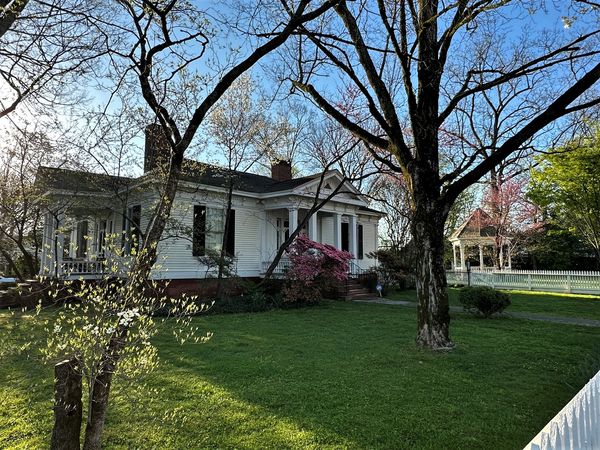
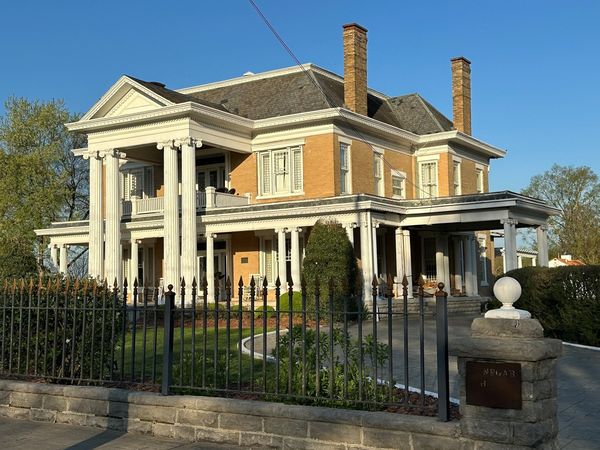
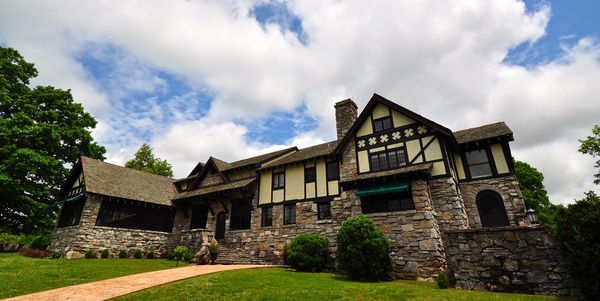
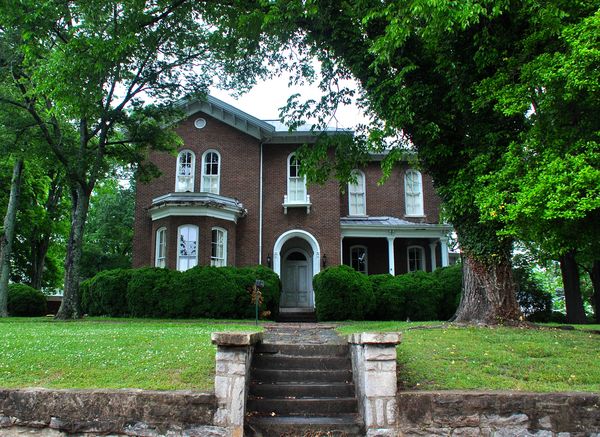
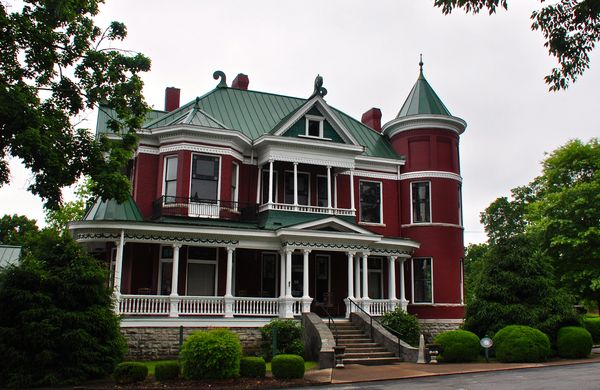
Source: Wikipedia NRHP list for Giles County. The Tennessee Encyclopedia counts more than 100 National Register properties in the county, many of them inside the historic districts. In Pulaski:
- Pulaski Courthouse Square Historic District (1983)
- South Pulaski Historic District (1986)
- Sam Davis Avenue Historic District (1989)
- Brown-Daly-Horne House, 307 W. Madison St. (1979)
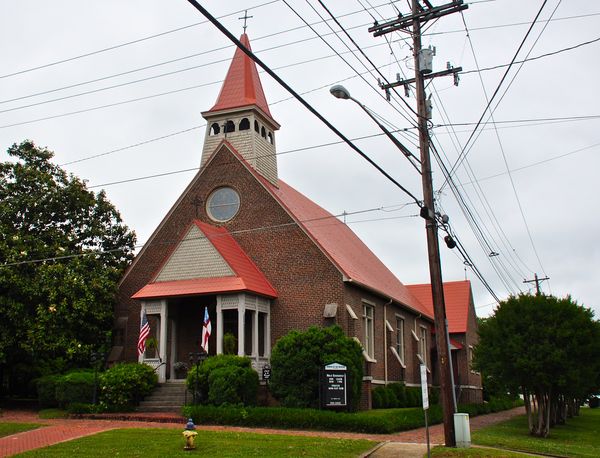
- Church of the Messiah, W. Madison and N. 3rd Sts. (1983)
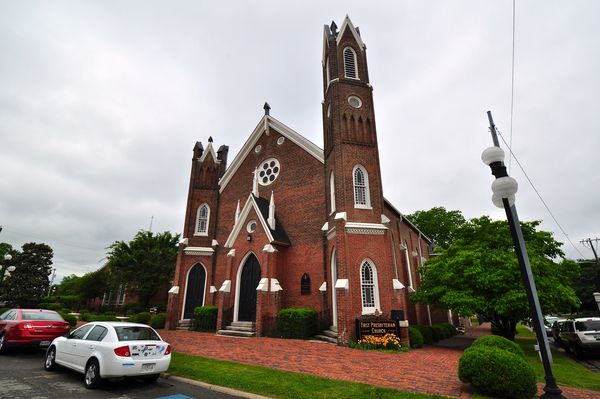
- First Presbyterian Church of Pulaski, 202 S. 2nd St. (1983)
- Austin Hewitt Home, 322 E. Washington St. (1984)
- Reveille, 408 W. Madison St. (1994)
- Batte-Brown-Blackburn House, 318 W. Madison St. (1996)
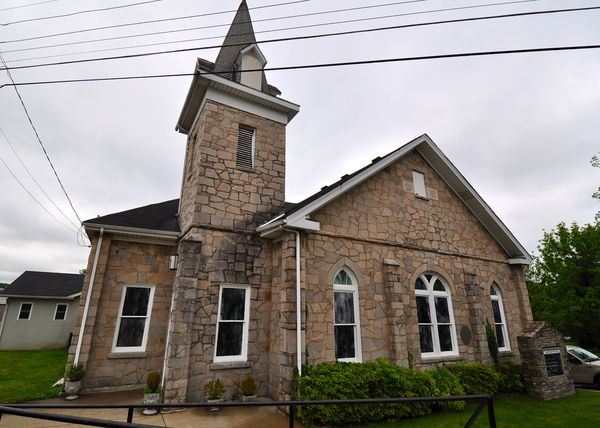
- Campbell Chapel A.M.E. Church, 311 Mill St. (2000)
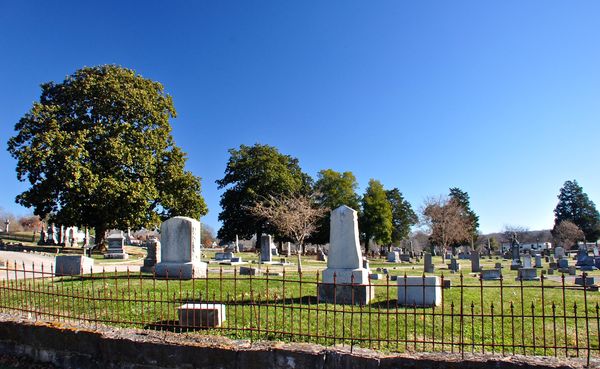
- Maplewood Cemetery, S. Sam Davis Ave. (2005)
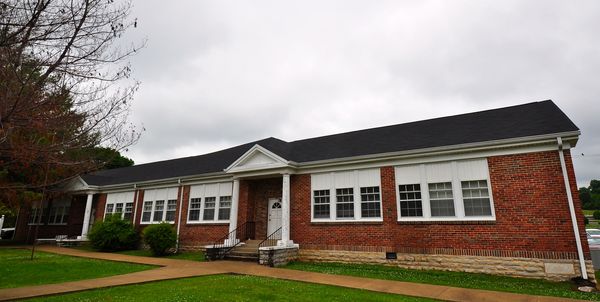
- Bridgeforth High School, 1095 Bledsoe Rd. (2006)
- Original Church of God, 115 Gordon St. (2006)
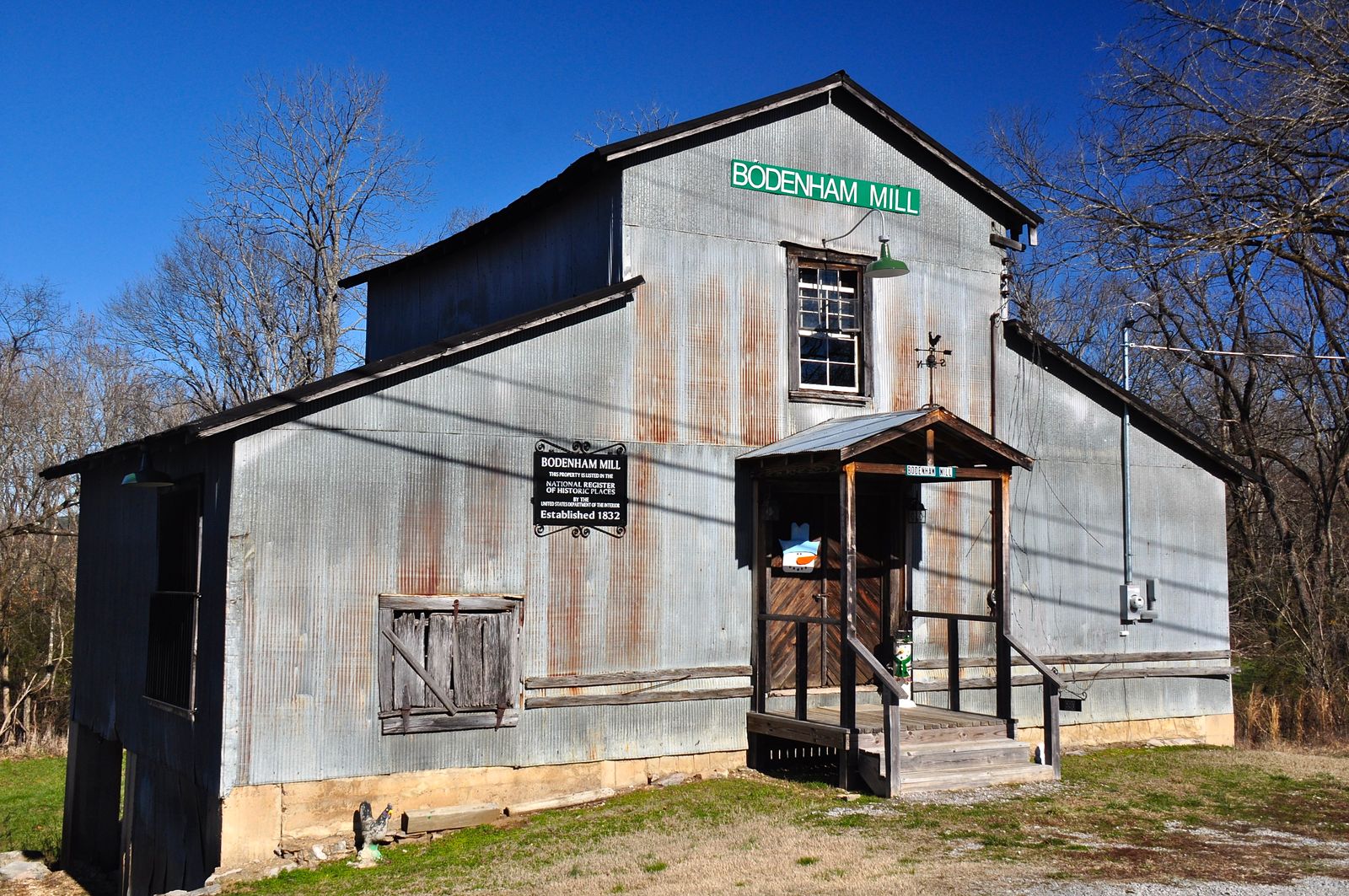
- Hallehurst (2006), Milky Way Farm (1984), Wilkinson-Martin House (2010), George W. Tillery House (1985), Newton White House (1987), Copeland Whitfield House (1988), Bodenham Mill (2013)
- Elsewhere in the county: Lynnville Historic District; Matt Gardner House (Prospect); Bass-Morrell House (Ardmore); Bodenham (Colored) School; Pisgah United Methodist Church and Cemetery; Olivet United Methodist Church, Parsonage and School; Elisha White House (Waco); Abernathy Farm; Lairdland Farm House; Noblit-Lytle House (Minor Hill).
3. Sources: where the history lives
| Source | URL | What it holds |
|---|---|---|
| Tennessee Encyclopedia – "Giles County" (Margaret Butler) | https://tennesseeencyclopedia.net/entries/giles-county/ | Concise county history: founding, courthouse, governors, Civil War and Sam Davis, the Klan's founding and the community's later resistance, McKissack, Ransom and Davidson, schools and Martin College |
| Tennessee State Library & Archives (TSLA) – Giles County fact sheet | https://sos.tn.gov/tsla/pages/genealogical-fact-sheets-about-giles-county | Full text of the 1809 formation act; courthouse fires (1813, 1857, 1907); published histories (McCallum 1876; Cohen's Pulaski History, 1809–1950; Black History in Giles County; African Americans of Giles County); microfilmed records from 1810; Giles County Oral History Project, 1995–96 (39 cassettes) |
| Giles County Public Library | http://gilescountylibrary.org/ | County genealogy room and a museum of settler-era artifacts in the library building, per the Tennessee Encyclopedia. 122 S. 2nd St., (931) 363-2720 |
| Sam Davis Museum | 134 S. Sam Davis Ave. | Civil War museum organized by the United Daughters of the Confederacy and run by the historical society, per the Tennessee Encyclopedia |
| Pulaski Citizen (current newspaper) | https://mainstreetmediatn.com/ | Current news; TSLA says scattered issues survive from 1838 and a complete run on microfilm begins in 1961 |
| UPI and Los Angeles Times archives, 1989 | https://www.upi.com/Archives/1989/10/07/Birthplace-of-KKK-protests-white-supremacy/1540623736000/ | Contemporary reporting on the town's "orange ribbon" response |
| Vanderbilt Television News Archive | https://tvnews.vanderbilt.edu/broadcasts/118965 | ABC "Persons of the Week" segment on the people of Pulaski (1989) |
| NRHP list for Giles County | https://en.wikipedia.org/wiki/National_Register_of_Historic_Places_listings_in_Giles_County,_Tennessee | Listed properties; nomination files are reachable through the NPS database by reference number |
| Library of Congress – Sanborn fire insurance maps of Pulaski | https://www.loc.gov/collections/sanborn-maps/?q=pulaski+tennessee | Street-by-street maps of 1888, 1891, 1895 and 1899 (public domain) |
| Wikipedia – Pulaski, Tennessee | https://en.wikipedia.org/wiki/Pulaski,_Tennessee | Overview: founding, contraband camp, census history, notable people |
4. What's missing / needs an in-person archive visit
- Pulaski Citizen back issues before 1961. Only scattered issues survive; check TSLA microfilm and the library.
- Courthouse history. Sources mention three fires (1813, 1857, 1907) but give few details on the earlier buildings. Check county court minutes (microfilm from 1810).
- Martin College founding date. Sources disagree (1870 vs. 1872). UT Southern's archives and Allen's A History of Martin College (1971) should settle it.
- African American history. Black History in Giles County (Wood, 2000), Finding Our Past (1986), the Bridgeforth and Bodenham school nominations, and church records need in-person review.
- Oral histories. The Giles County Oral History Project tapes (1995–96) are at TSLA; nothing like them is online.
- Photographs of downtown over time. The library, historical society and private collections would have to be visited.