Compiled Oct. 18, 2026 from public sources only. Every statement below is attributed. Where sources disagree, both versions are given. The Lynchburg Almanac is independent and is not affiliated with, sponsored by, or endorsed by any distillery or brand; distilleries are mentioned here only as part of the town's history.
1. Short history summary
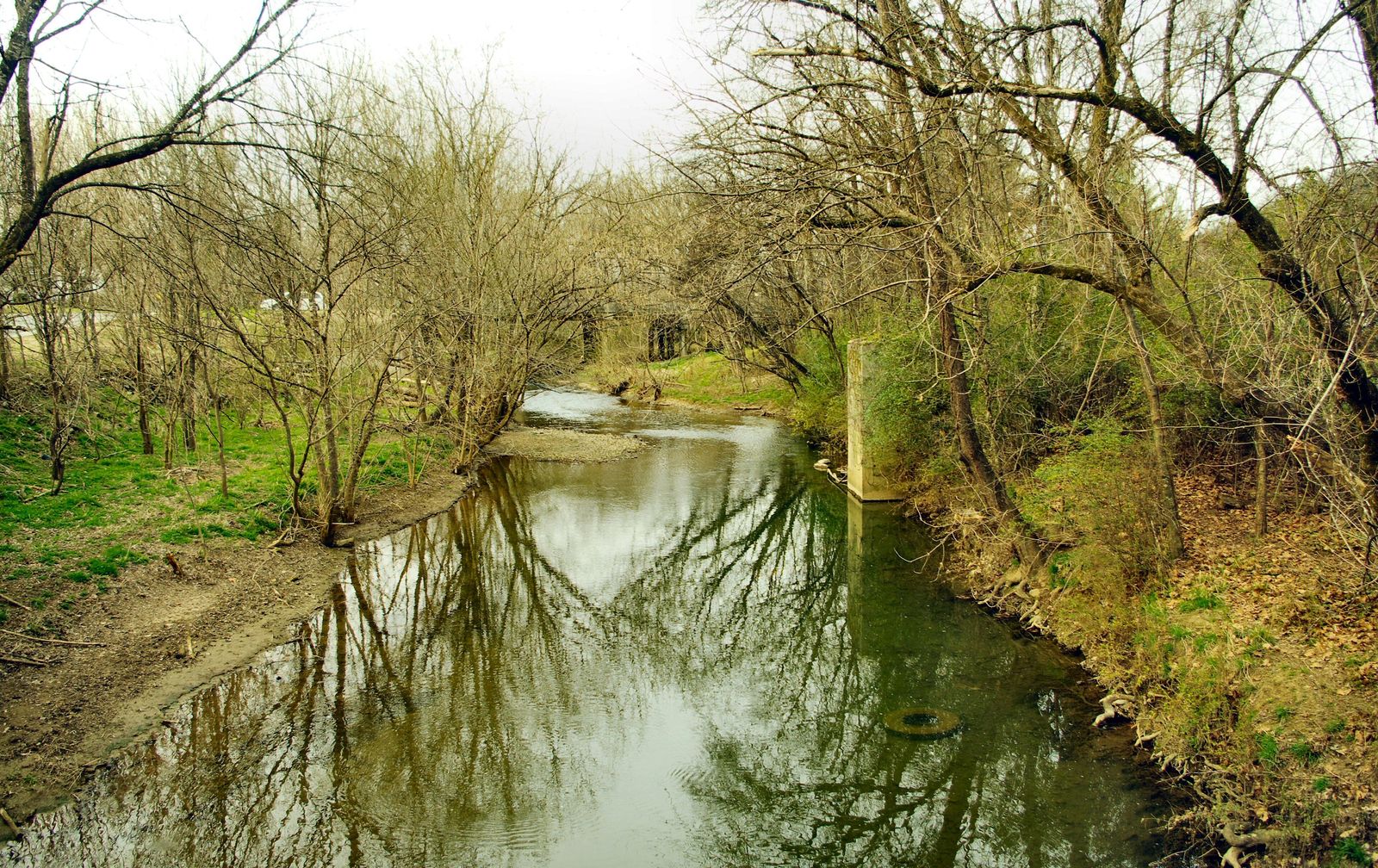
Settlement and the creek. Settlers reached the Lynchburg area around 1801. Main Street began as the main road and roughly followed East Fork Mulberry Creek; homes were mostly on the west side of town and industry along the creek on the east. Thomas Roundtree built an early cotton mill on the creek, and by the 1830s William P. Long ran a gristmill and cotton gin. Early Lynchburg also had a large tannery. (Wikipedia, citing the 1995 National Register nomination for the Lynchburg Historic District by Carroll Van West, Megan Dobbs and Brian Eades) Davy Crockett lived in what is now Lynchburg from 1811 to 1813. (Wikipedia)
Where the name came from. Nobody is sure. An 1876 Lynchburg Sentinel article suggests a settler named it for his old home, Lynchburg, Virginia. The WPA Guide to Tennessee (1939) says it was named for an early resident, Tom Lynch. A 1972 Tennessee Historical Quarterly article says it was named for a "Judge Lynch" who led a vigilante committee after the War of 1812. (Wikipedia) The town was incorporated in 1841. (MTIDA 2026 profile)
Civil War. Lynchburg residents generally supported the Confederacy, and Company E of the 1st Tennessee Cavalry was made up mostly of local men. A monument to the area's Confederate soldiers stands on the courthouse lawn. (Wikipedia)
A new county. After the war, people in the far corners of neighboring counties asked for a county of their own, pointing to long trips and bad roads to the old county seats. The legislature created Moore County on December 14, 1871, naming it for Gen. William Moore, an early Lincoln County settler and longtime legislator. (TSLA – Moore County fact sheet; Tennessee Encyclopedia – Moore County, Megan Dobbs Eades) Sources differ on which counties gave up land: TSLA's summary names Bedford, Franklin and Lincoln, while the act itself and Wikipedia also include Coffee. The county was first surveyed at 300 square miles, but Lincoln County sued because the new line left it below the constitutional minimum, and Moore was cut to about 129 square miles. (Tennessee Encyclopedia) Lynchburg was chosen as county seat in a countywide election: the Tennessee Encyclopedia gives 1872, and Wikipedia gives June 1873. (Tennessee Encyclopedia; Wikipedia)
Mules and distilleries. In the 1870s Lynchburg sat in the middle of a trading triangle between the railroad towns of Tullahoma, Shelbyville and Fayetteville. Farmers used the turnpike through town (later State Highway 55), and Lynchburg became a regional mule-trading center. (Tennessee Encyclopedia) The county's first distillery was built in 1825 on the West Mulberry, and by 1876 at least fifteen were registered in Moore County. (Tennessee Encyclopedia) Wikipedia says Tom Eaton's distillery was the most productive in the 1880s, with Jack Daniel's second. Nathan "Nearest" Green, a formerly enslaved distiller, trained and worked with Jack Daniel. (Wikipedia)
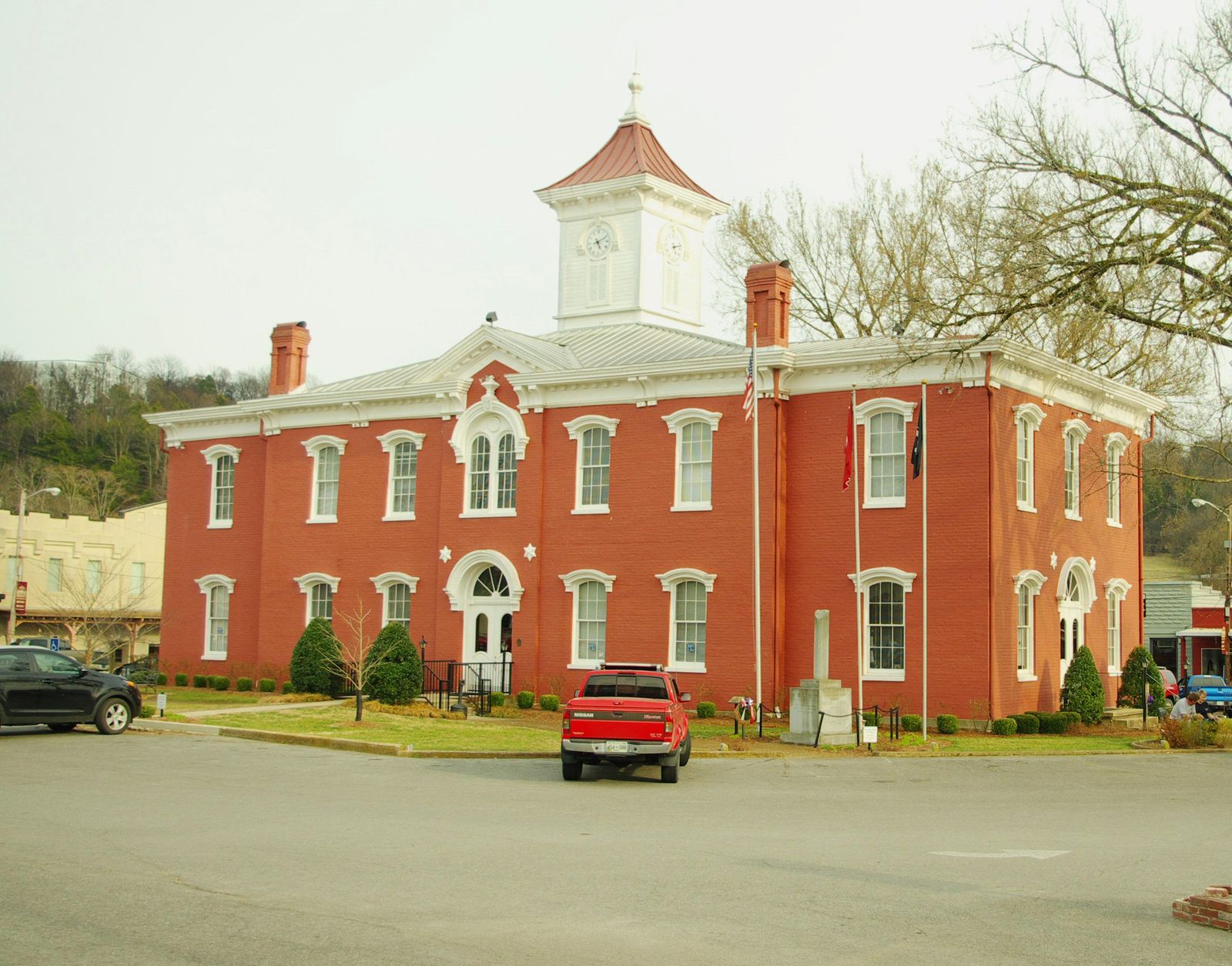
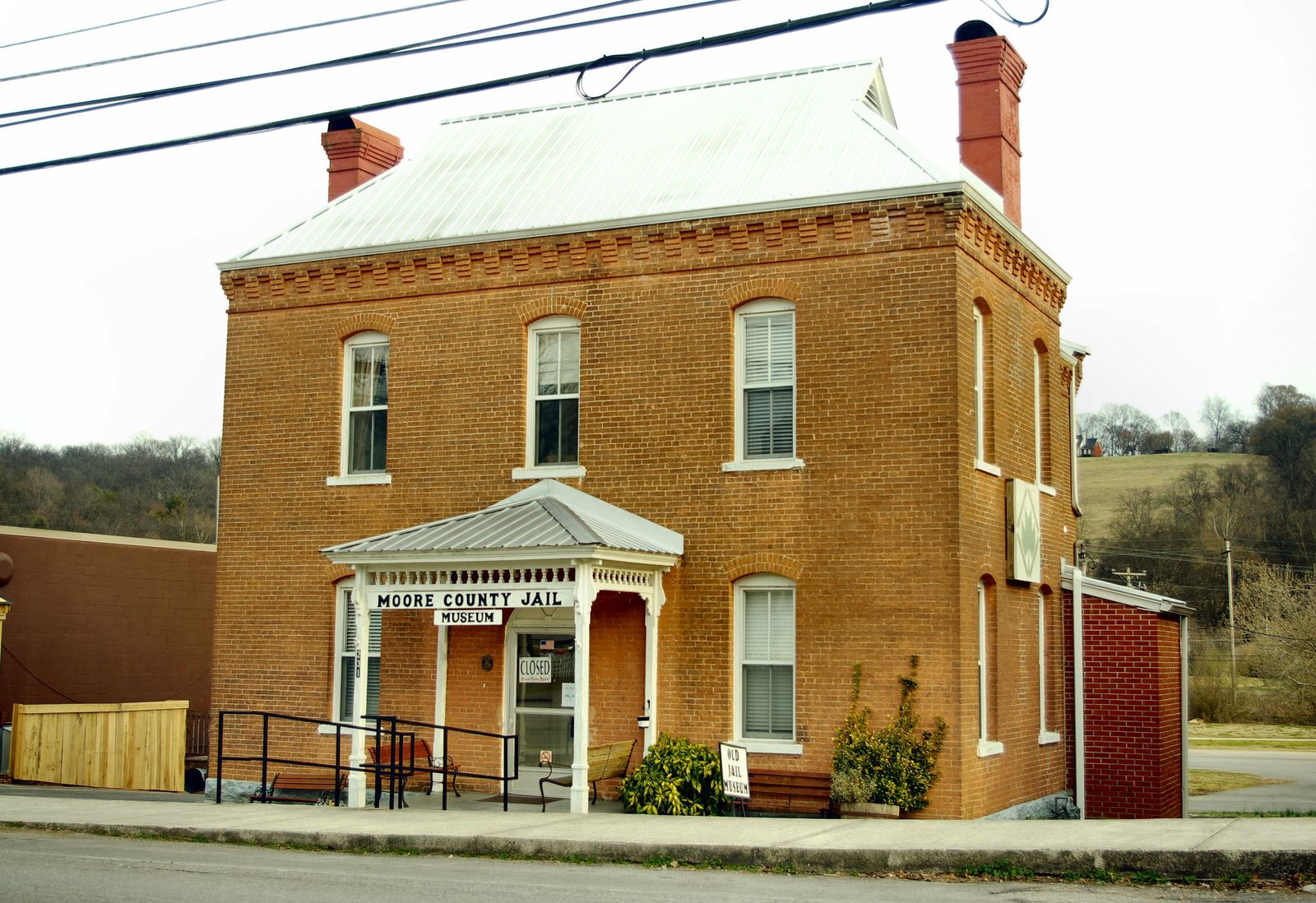
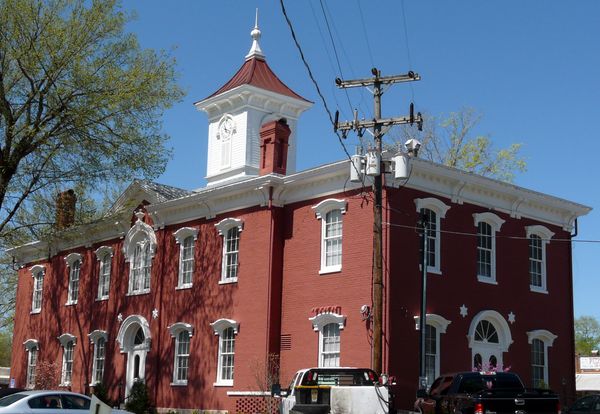
Fire and rebuilding. On December 4, 1883, a fire destroyed nearly half of Lynchburg, including the courthouse and much of the square. The present courthouse was finished in 1885, and a separate jail, now a museum, followed across the street in 1893. Car traffic and new state highways brought a commercial boom in the early 1900s, when many of the square's buildings went up. (Wikipedia)
Prohibition and after. A 1909 state law banning the manufacture of liquor shut down the town's distilleries. Tennessee kept prohibition after the federal repeal in 1933. Lem Motlow, a state senator and Jack Daniel's nephew, led the push for repeal; the state lifted the manufacturing ban in 1937, and the distillery reopened. (Wikipedia) Moore County is still a dry county. (Wikipedia)
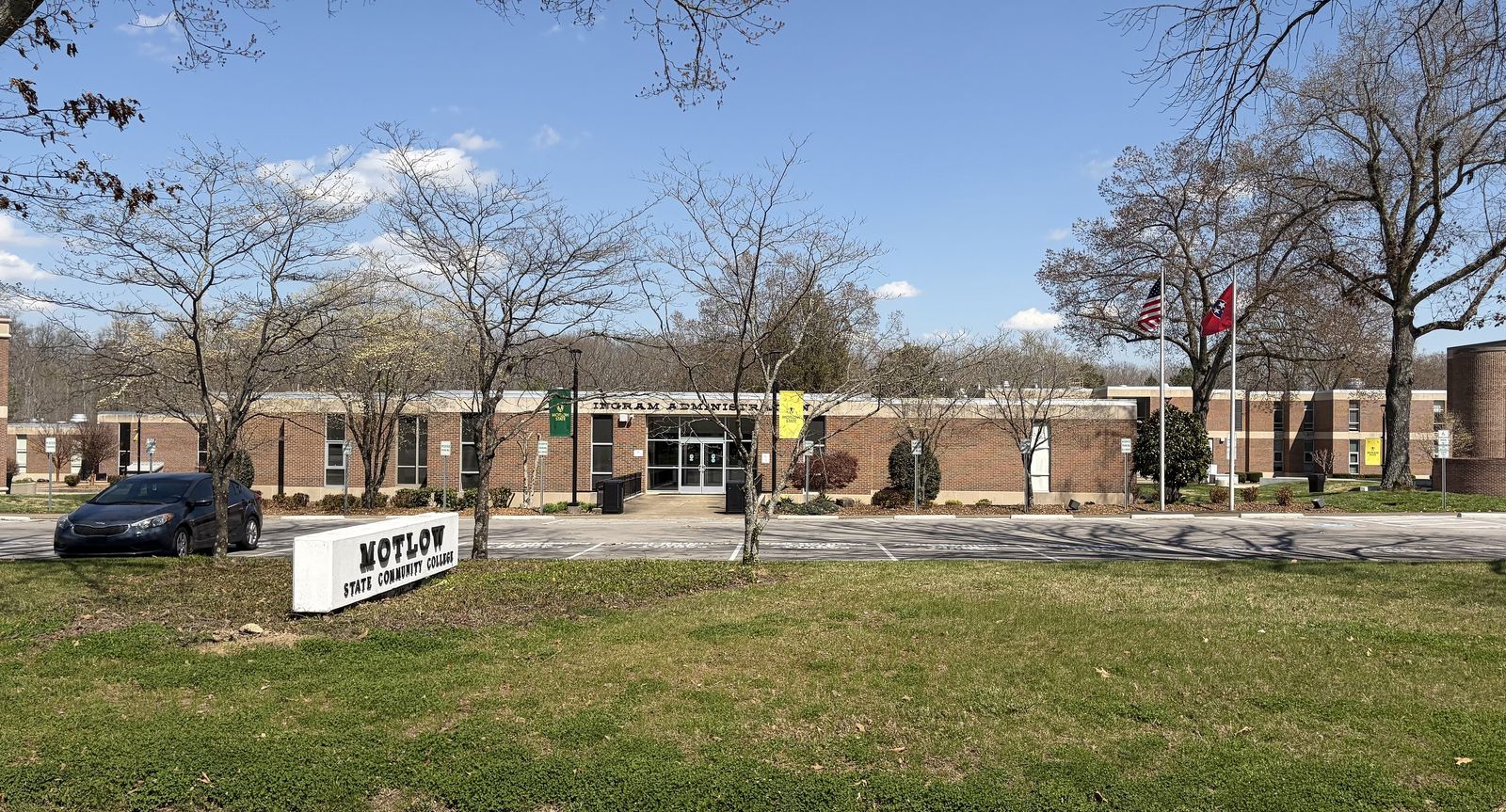
A small town that stayed small. Because heavy manufacturing never fully developed and the interstates passed it by, much of the town's character is still intact. The Tennessee Encyclopedia calls Moore County "one of the most intact examples of Middle Tennessee's agrarian landscape." (Tennessee Encyclopedia) Motlow State Community College opened in 1969 on 187 acres donated by Reagor Motlow and his family. In 1988 voters approved the Metropolitan Government of Lynchburg, Moore County, merging city and county government. (Wikipedia)
2. National Register of Historic Places
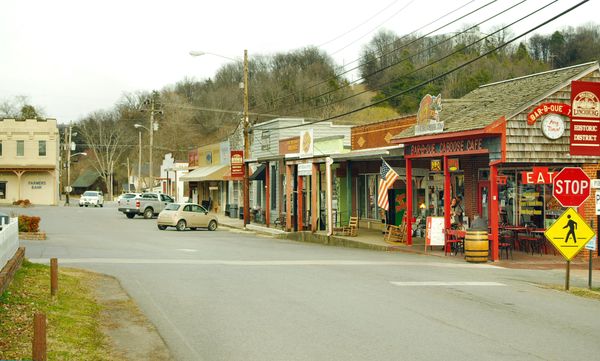
- Lynchburg Historic District: the downtown and courthouse square (Wikipedia; nomination by Carroll Van West, Megan Dobbs and Brian Eades, MTSU Center for Historic Preservation, 1995).
- No separate Wikipedia NRHP list for Moore County turned up in this search. Check the National Park Service NRHP database for any other listings in the county.
3. Sources: where the history lives
| Source | URL | What it holds |
|---|---|---|
| Tennessee Encyclopedia – "Moore County" (Megan Dobbs Eades) | https://tennesseeencyclopedia.net/entries/moore-county/ | County formation and the boundary lawsuit, the 1872 county-seat election, mule trade, early distilleries, dairy farming |
| Tennessee State Library & Archives (TSLA) – Moore County fact sheet | https://sos.tn.gov/tsla/pages/genealogical-fact-sheets-about-moore-county | Full text of the 1871 formation act; published histories (Heritage of Moore County, 1871–2005; Around Lynchburg, 2012; Goodspeed); microfilmed records from 1872; Ferguson's abstracts of Lynchburg newspapers, 1873–1932 |
| Wikipedia – Lynchburg, Tennessee | https://en.wikipedia.org/wiki/Lynchburg,_Tennessee | Overview drawn largely from the 1995 National Register nomination: settlement, name theories, 1883 fire, Prohibition, consolidation |
| Moore County Old Jail Museum | 231 Main St., Lynchburg | The 1893 jail, now a museum; the phone Google Maps lists, (931) 759-4111, is the Chamber's |
| Moore County Public Library | https://tenv.agverso.com/home?cid=TENV&;lid=MOORE | Local collection; 17 Majors Blvd., (931) 759-7285 |
| Metro Moore County – History Archives | https://metromoorecounty.org/ | The county government's history archive pages |
| Library of Congress – Sanborn fire insurance maps | https://www.loc.gov/collections/sanborn-maps/?q=lynchburg+tennessee | Early street maps of the town (public domain) |
4. What's missing / needs an in-person archive visit
- Lynchburg newspapers before 1957. TSLA says scattered issues survive from 1873 and a complete run begins in 1957. Ferguson's 1987 abstracts (1,102 pages) are the best shortcut.
- The county-seat date. Sources disagree (1872 vs. June 1873). County court minutes from 1872 on TSLA microfilm should settle it.
- The town's name. Three competing stories; none is confirmed.
- African American history. Beyond Nearest Green, little is online. Church records and Heritage of Moore County need in-person review.
- Oral histories of the mule trade, dairy farming and the Prohibition years. None are online.
- Photographs of the square over time. The museum, library and private collections would have to be visited.